Cleaning & Patrol Robots
In brief
Cleaning & Patrol Robots keep the paths and waterfront of Jubail Island clean and safe. The robots follow approved routes, give pedestrians priority, and send precise locations of litter, hazards and damage to the team responsible, so problems are fixed before residents notice them.
01 · The challenge
Public spaces are long, open and busy. Litter, broken lights, damaged paving and hazards can sit unnoticed for days because nobody walks every metre every morning. When a resident does report something, the description is vague — "near the beach" — and the maintenance team spends time searching before they can fix it.
02 · Who it’s for
Facilities and public-realm teams responsible for promenades, parks and waterfronts; residents and visitors who walk, cycle and jog there; and managers who need to know the condition of public spaces without commissioning a survey.
03 · The experience
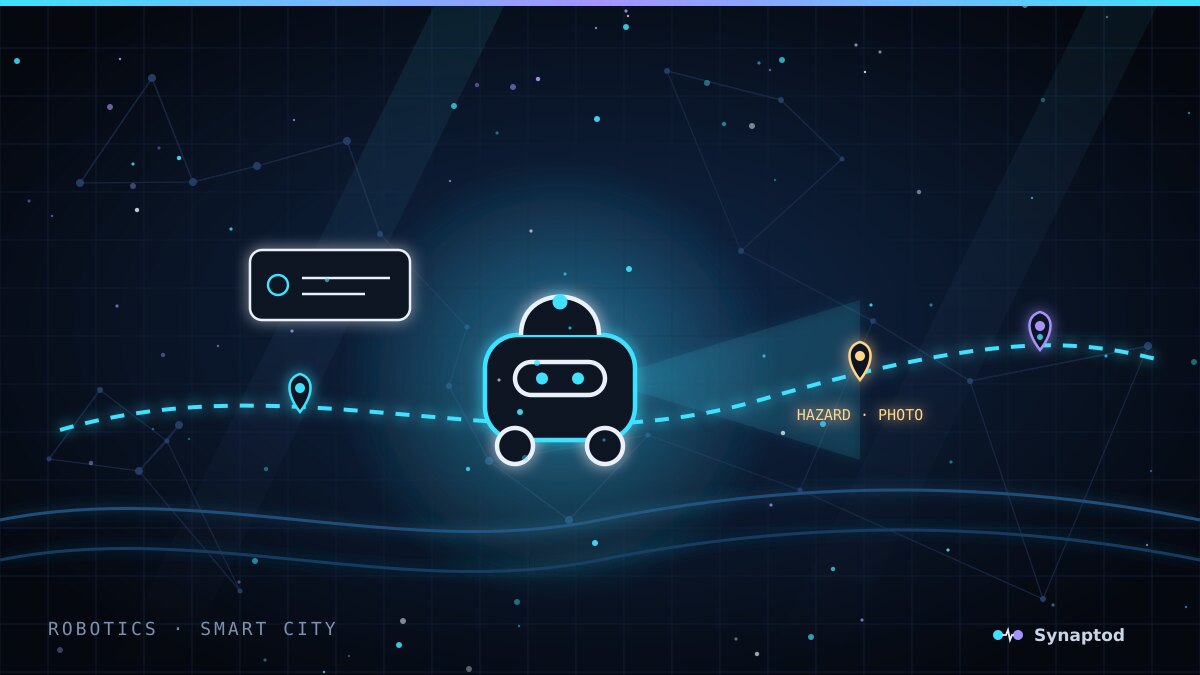
Early each morning, compact robots move along mapped routes at walking pace. They pause and yield whenever a person approaches. When a robot sees litter it collects what it can; when it finds something it cannot fix — a broken bench, a trip hazard, a damaged light — it sends a photo and an exact location to the responsible team’s work queue. Residents simply notice that the promenade is always tidy.
04 · How it works
Under the hood
- Routes are mapped and approved by the facilities team; robots cannot wander outside them.
- Sensors detect people, bikes and obstacles, and the robot always yields.
- On-board vision flags litter and visible damage, tagged with GPS position and a photo.
- Findings arrive in the existing work-order system as ready-to-assign tasks.
- A daily summary shows which routes were covered and what was found.
05 · Built to grow
Start with one route along the busiest stretch, then add robots and routes as confidence grows. The same reporting pipeline works for human patrols, so robots and people feed one picture of public-space condition.
06 · Added advantages
- Problems are found early and located precisely, cutting search time for maintenance crews.
- A consistent daily record of public-space condition, useful for planning and contracts.
- Staff time moves from walking routes to fixing what matters.
07 · The human side
Pedestrians always have priority. Robots report conditions, not people — the design is not identity tracking — and every repair decision stays with the facilities team.
Questions people ask
Are the robots safe around pedestrians and children?
They travel at walking pace on approved routes, detect people and obstacles, and always yield. Routes and operating hours are set by the facilities team.
Do the robots record people?
They are designed to detect litter, hazards and damage, not to identify people. Reports focus on locations and conditions.
Related cases
Delivery Robot
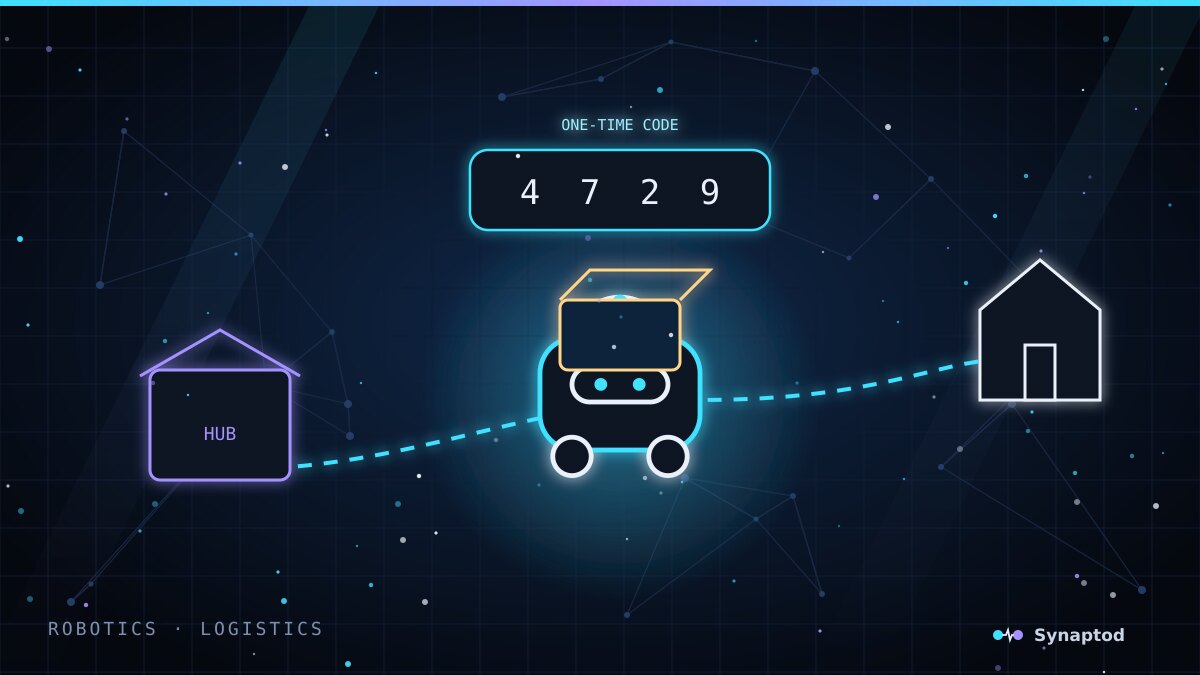
Delivery Robot brings parcels the last few hundred metres to residents of Jubail Island in Abu Dhabi.
Robotic Snagging
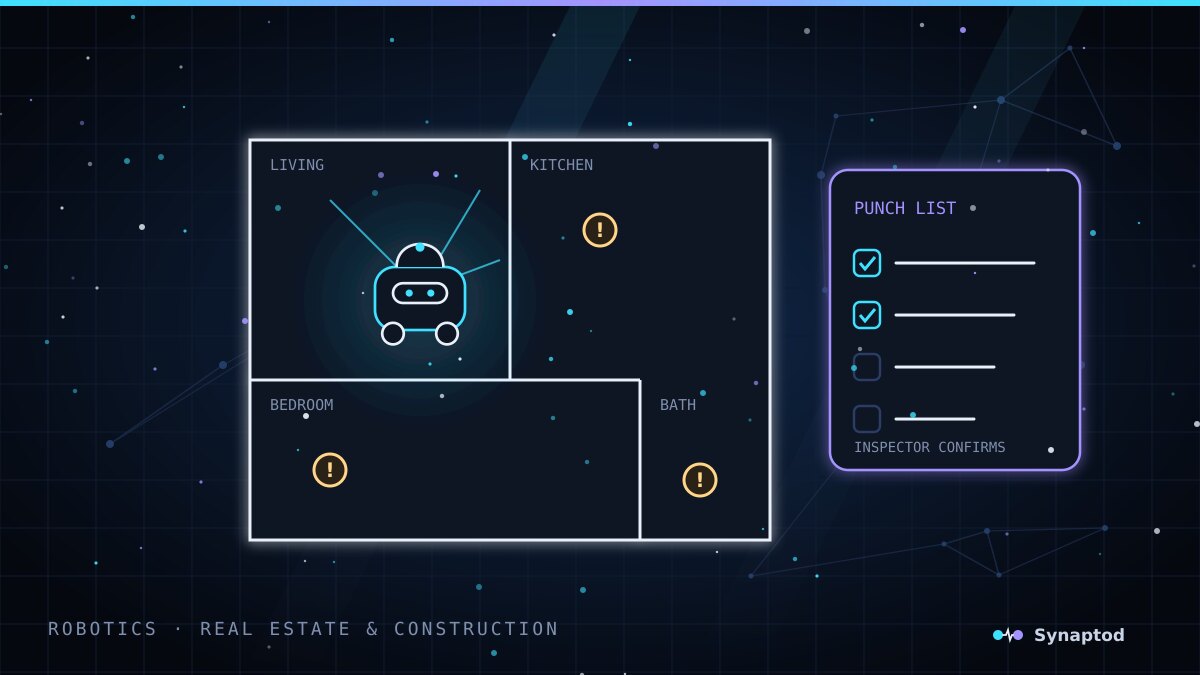
Robotic Snagging makes home inspections before handover consistent and traceable.

Operations Hub — Digital Twin
Operations Hub is a GIS-based digital twin that brings Jubail Island’s assets, incidents, work orders, sensor events and environmental context into one live map, so operations teams see what is happen
Want something like Cleaning & Patrol Robots?
Tell us about your setting and we’ll explore it with you.
Last reviewed 2026-11-24