Harvest for All: Physical AI Against Poverty
In brief
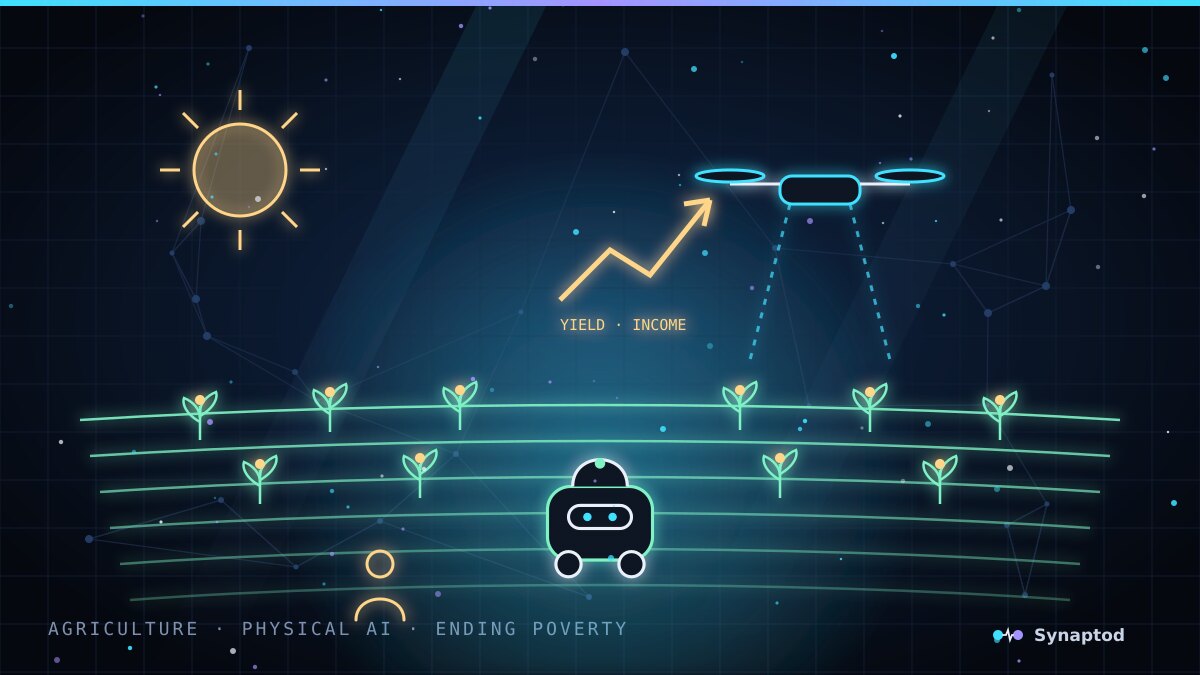
Harvest for All puts physical AI — field robots, drones, smart sensors and AI advisers — into the hands of small farmers and communities to grow more, waste less and earn more. Smart harvesting, smart water and smart landscaping turn land that barely feeds a family into a source of income, food security and dignity.
01 · The challenge
Hundreds of millions of people farm small plots with little water, little data and no machinery. Harvests are lost to drought, pests and poor timing, and what survives is sold too cheaply. The tools that make large farms productive — precision irrigation, crop monitoring, robotic harvesting — rarely reach the people who need them most. Poverty and hunger stay where the technology does not go.
02 · Who it’s for
Smallholder farmers and cooperatives, rural communities, development agencies and NGOs, agricultural ministries, landscaping and green-space operators, and investors in food security and climate resilience.
03 · The experience
A farmer opens a simple voice app in her own language. It tells her when to plant, how much to water today and which corner of the field shows early signs of disease, from drone and sensor readings. At harvest, a shared robot picks at the right moment and grades the crop, and a market adviser suggests where to sell for the best price. In the town, the same system keeps parks and landscapes green with a fraction of the water.
04 · How it works
Under the hood
- Low-cost soil, weather and water sensors and drone imagery monitor each plot.
- AI predicts the best planting, watering and harvest windows and spots pests and disease early.
- Shared physical-AI machines — field robots and smart harvesters — are owned by cooperatives, not just big farms.
- Smart irrigation and landscaping cut water use while keeping land productive and green.
- A voice-first adviser works offline, in local languages, for farmers with basic phones.
- Training programmes build local skills to run, repair and improve the technology.
05 · Built to grow
Designed to start with one cooperative and grow village by village, country by country — the same platform serves farms, community gardens, urban landscaping and desert agriculture.
06 · Added advantages
- Higher yields and less loss from every drop of water and every hectare.
- Physical AI shared through cooperatives, so the poorest benefit first.
- Better prices through market insight and quality grading.
- Local jobs and skills in running and maintaining the technology.
07 · The human side
Farmers stay the decision-makers: the AI advises, the robots assist, and communities own the equipment and their data. Training comes with every deployment, so technology creates work rather than replacing it.
Questions people ask
How can AI help end poverty in farming?
By giving small farmers the precision tools large farms use — smart water, crop monitoring, shared robotic harvesting and market advice — so they grow more, lose less and sell better.
What is physical AI in agriculture?
AI that acts in the physical world: field robots, smart harvesters, drones and automated irrigation guided by data and machine learning.
Does it work in dry regions?
Yes. Smart irrigation and drought-aware planning are central, which suits desert agriculture and landscaping in the UAE and similar climates.
Related cases
Smart Irrigation Optimisation
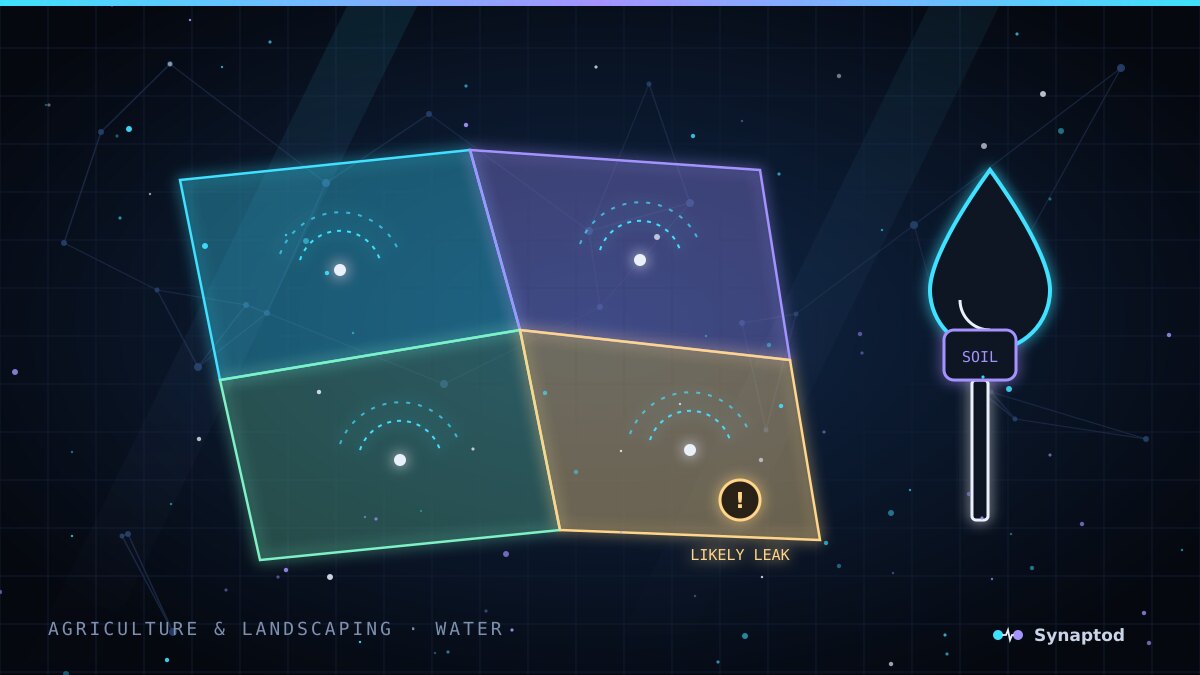
Smart Irrigation Optimisation uses flow, soil, weather and planting data to show how each irrigation zone is performing, flag leaks and abnormal patterns, and suggest reversible changes — always with
Mangrove Monitoring
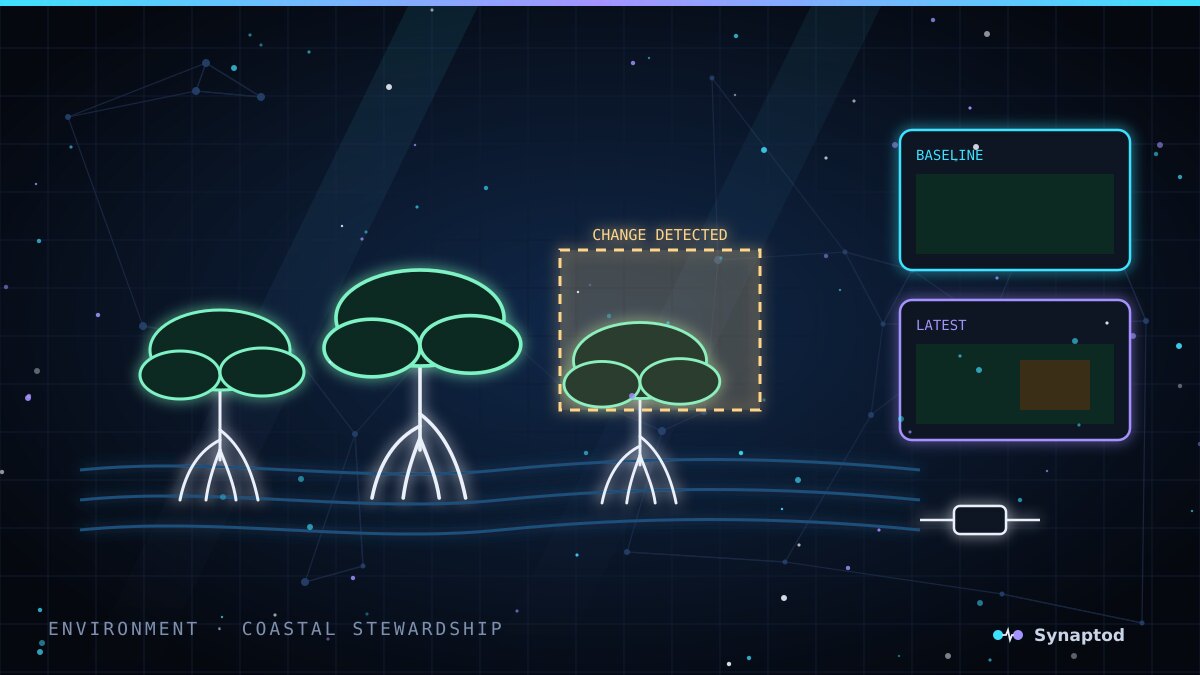
Mangrove Monitoring combines field surveys, imagery and water readings into a baseline of a protected mangrove habitat, then uses change detection to flag areas for ecologists to verify — making habit
Special AI Tutor
Special AI Tutor is a personalised learning and personal-development tutor suitable for every level from kindergarten to PhD, including medical and job training.
Want something like Harvest for All: Physical AI Against Poverty?
Tell us about your setting and we’ll explore it with you.
Last reviewed 2026-11-24